General Information
Cetrorelix Impurities and Cetrorelix
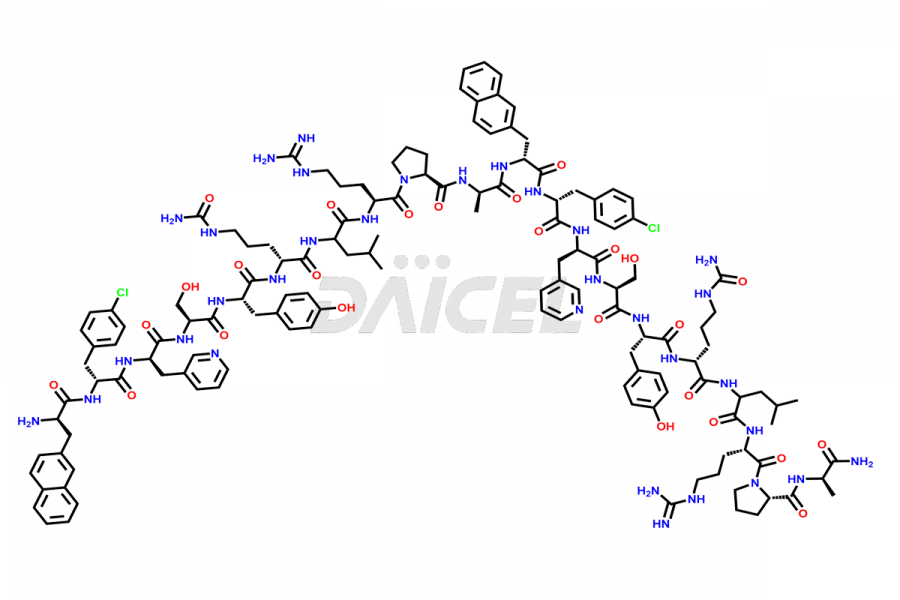
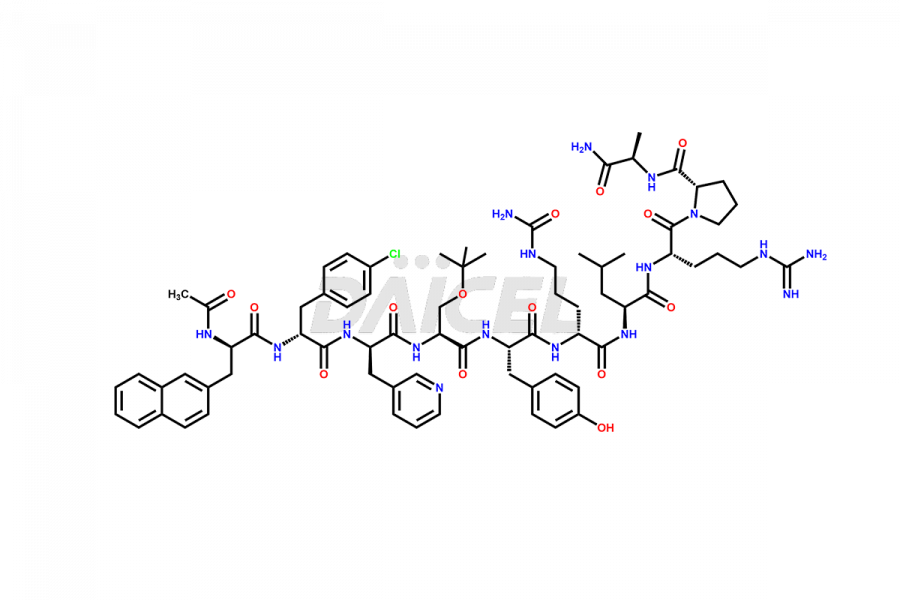
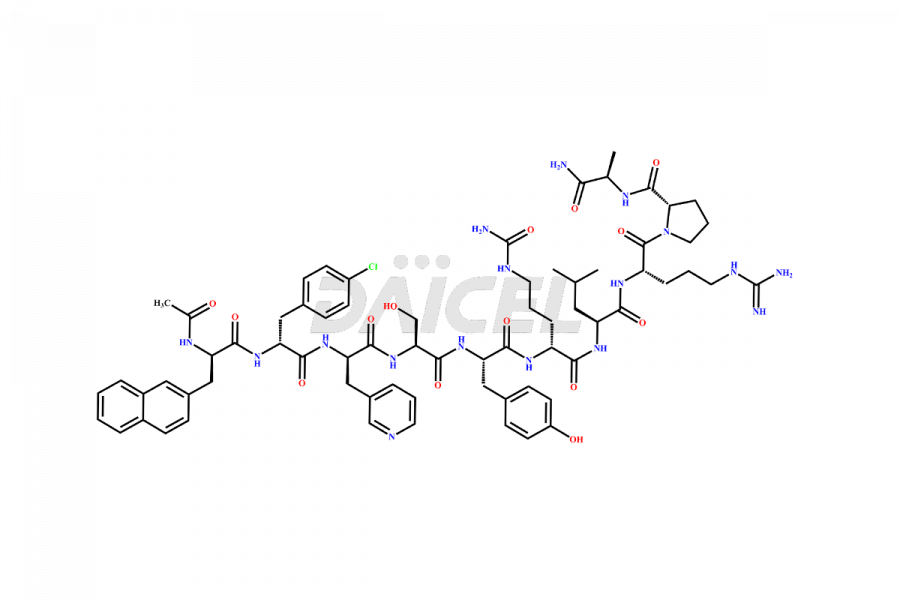
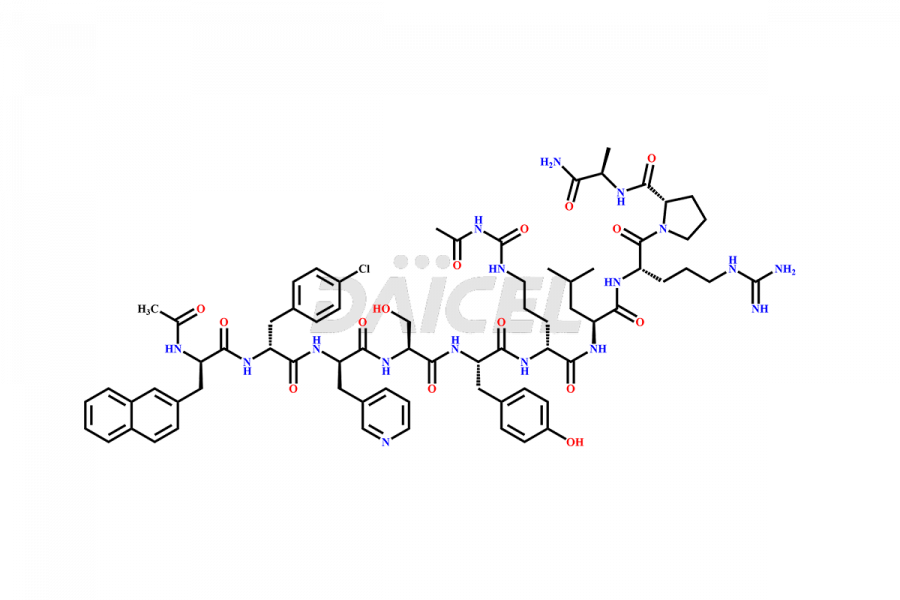
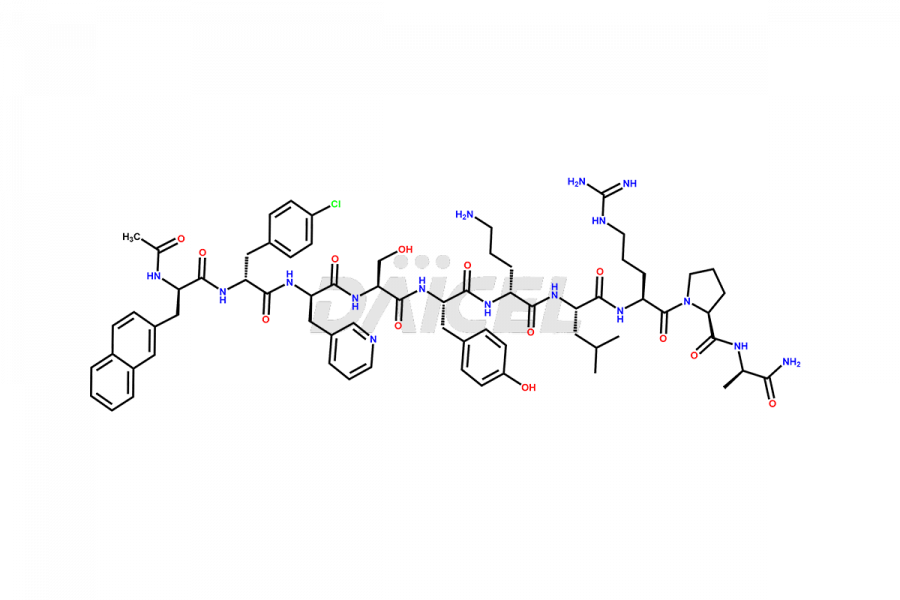
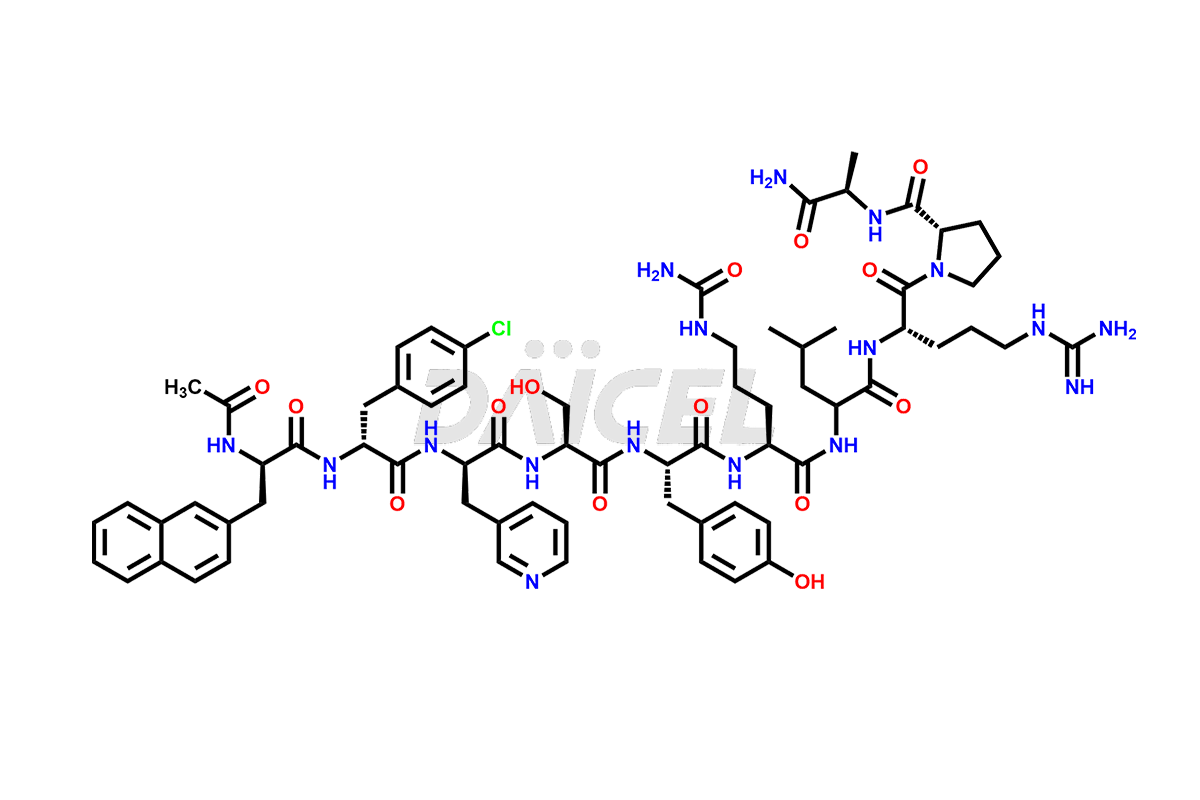
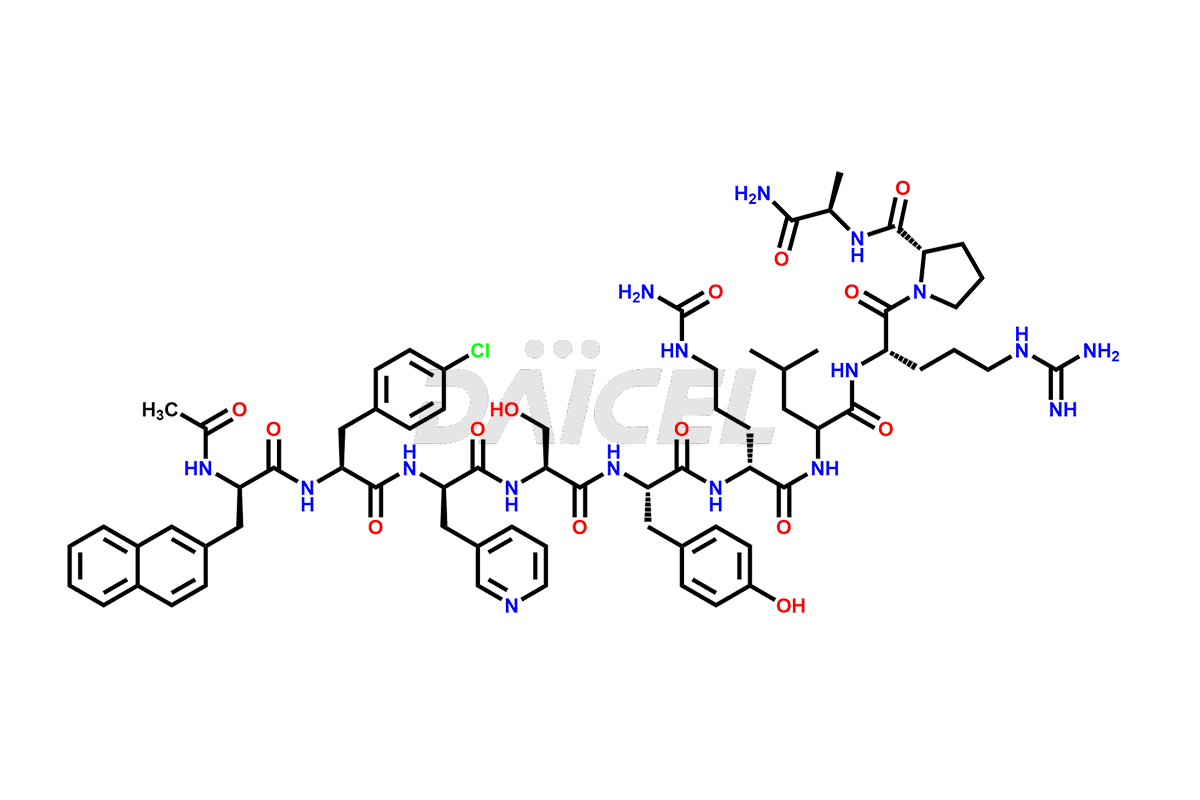
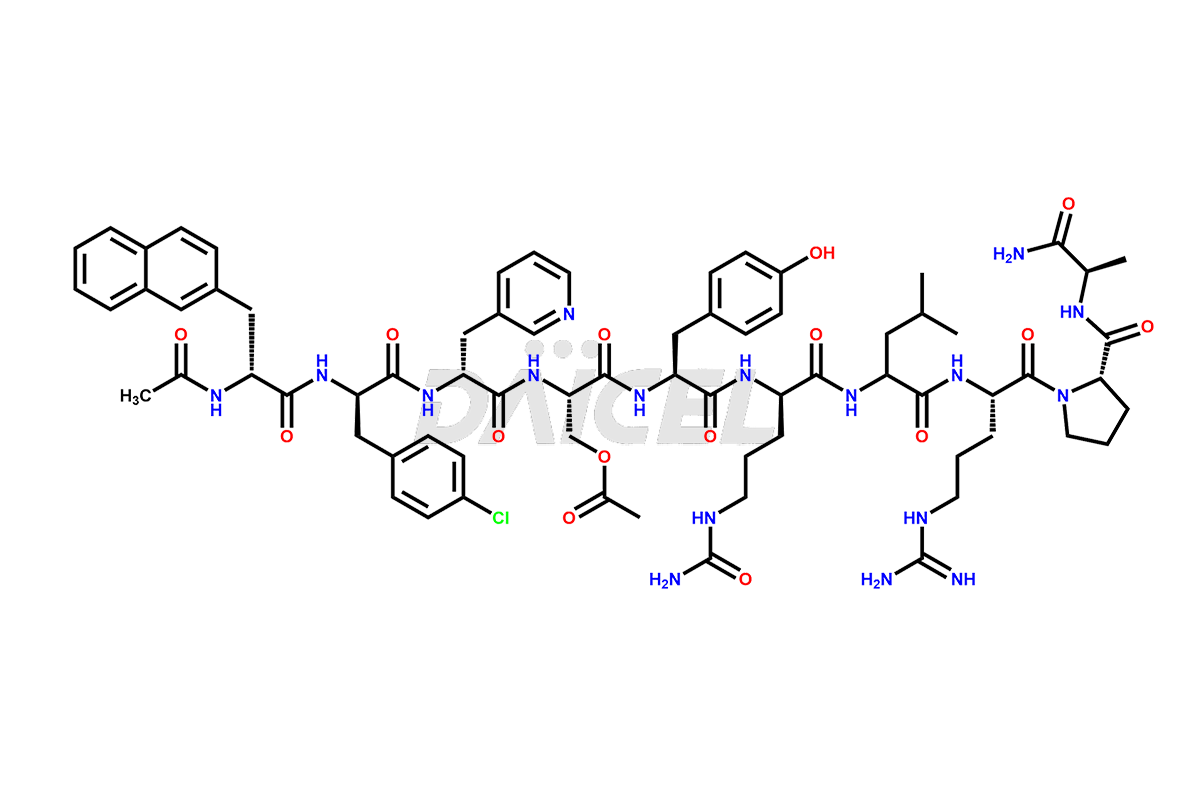
Daicel Pharma synthesizes high-quality Cetrorelix impurities such as Cetrorelix dimer, and more, that contribute to the quality, stability, and biosafety analysis of Cetrorelix.
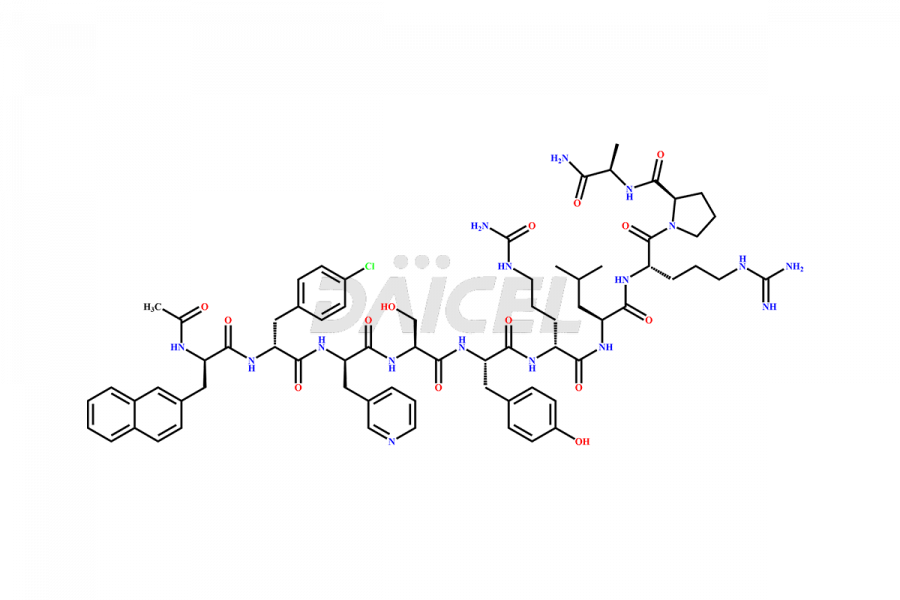
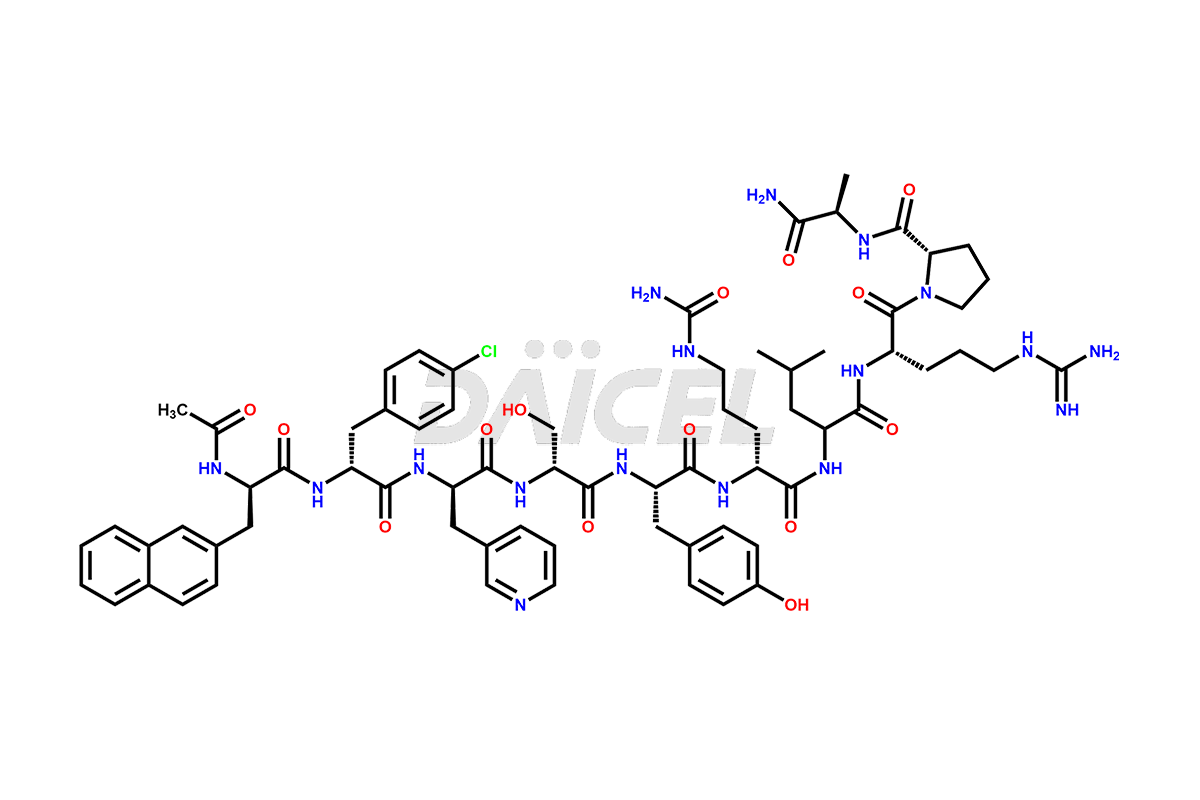
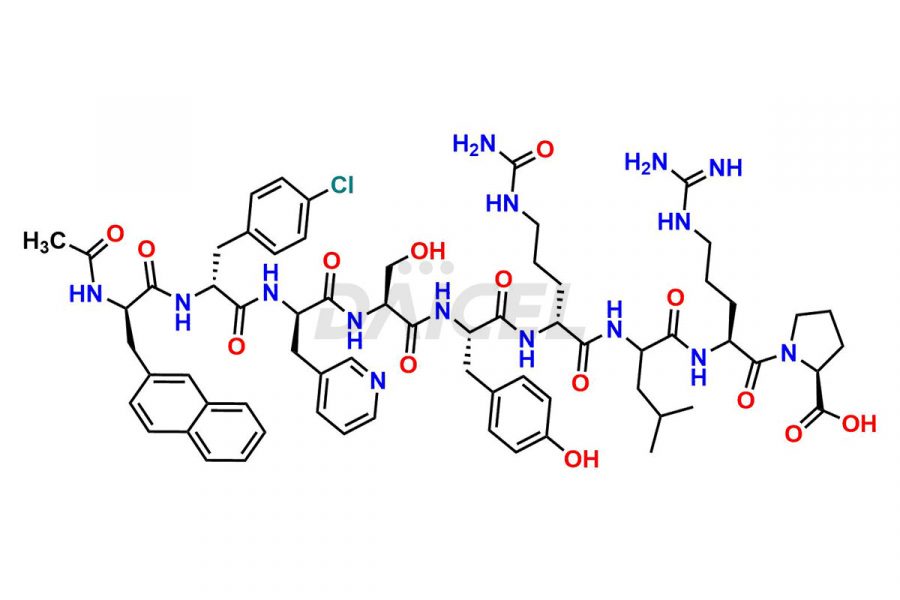
Cetrorelix [CAS: 120287-85-6] is a synthetic decapeptide gonadotropin-releasing hormone (GnRH) antagonist involved in the release of luteinizing hormone (LH). It prevents the premature surge of luteinizing hormone in women undergoing assisted reproductive therapies. The presence of Cetrorelix impurities produced during the drug manufacturing process may compromise the safety and efficacy of the drug. Hence, it is vital to ensure the purity of Cetrorelix.
Cetrorelix: Use and Commercial Availability
Cetrorelix is a drug used primarily in assisted reproductive technology (ART) to prevent premature ovulation in women undergoing controlled ovarian stimulation. It is a gonadotropin-releasing hormone (GnRH) antagonist that blocks the release of luteinizing hormone (LH) and follicle-stimulating hormone (FSH), which stimulates ovulation. Cetrorelix is under development for treating prostate cancer, ovarian cancer, and benign prostatic hyperplasia.
The administration of Cetrorelix involves an injection under the skin of the lower abdomen. Its use is for a short period during treatment. It may be available in vials or pre-filled syringes. Cetrotide and Cetrolix are the brand names under which Cetrorelix is sold.
Cetrorelix Structure and Mechanism of Action
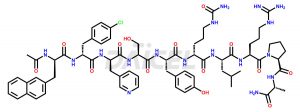
The chemical formula of Cetrorelix is C70H92ClN17O14, and its molecular weight is 1431.038 g/mol.
Cetrorelix binds to gonadotropin-releasing hormone receptors and acts as a potent inhibitor of gonadotropin secretion. It competes with natural GnRH for binding to pituitary cell membrane receptors, thereby controlling LH and FSH release in a dose-dependent manner.
This leads to a suppression of the production of estrogen, the chief hormone responsible for the growth and development of the endometrium in preparation for the implantation of a fertilized egg.
Cetrorelix Impurities and Synthesis
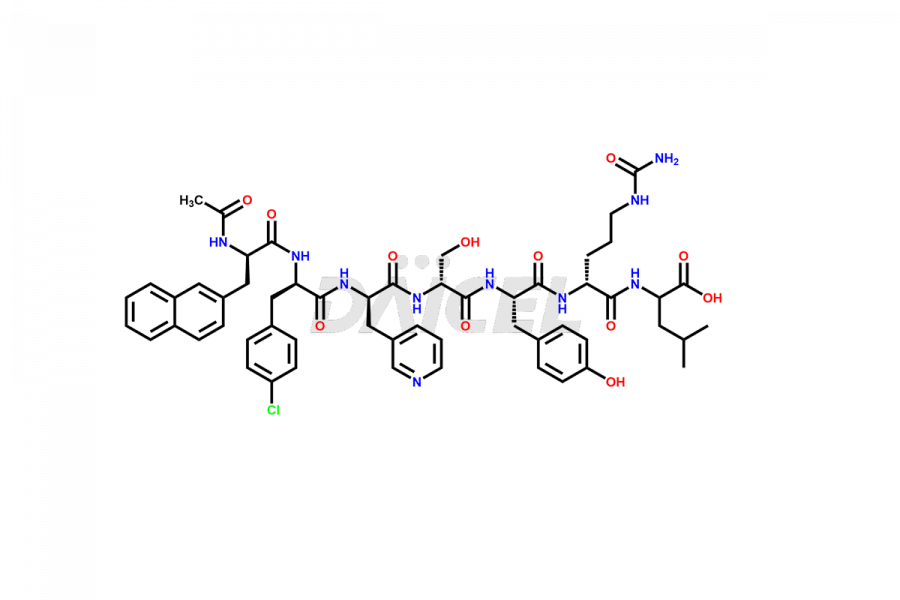
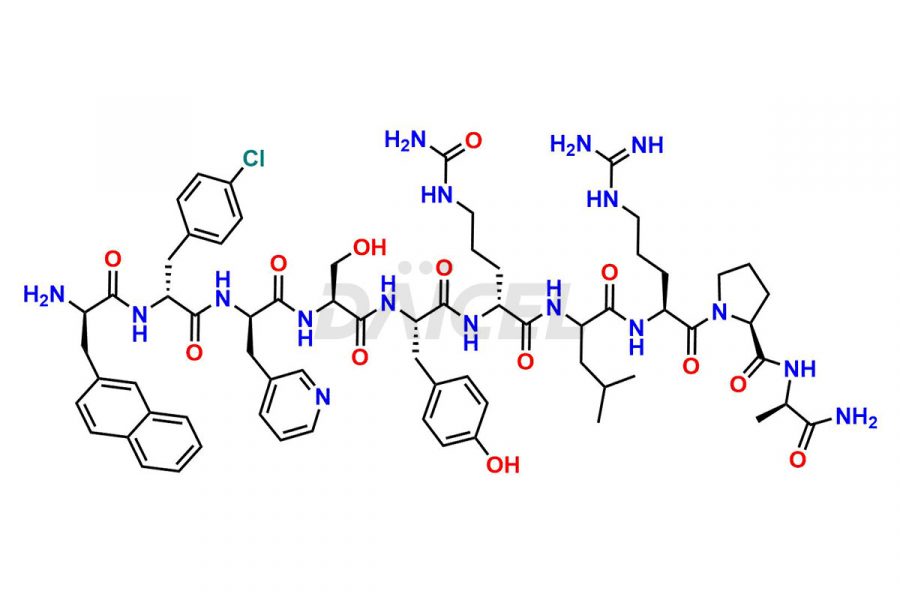
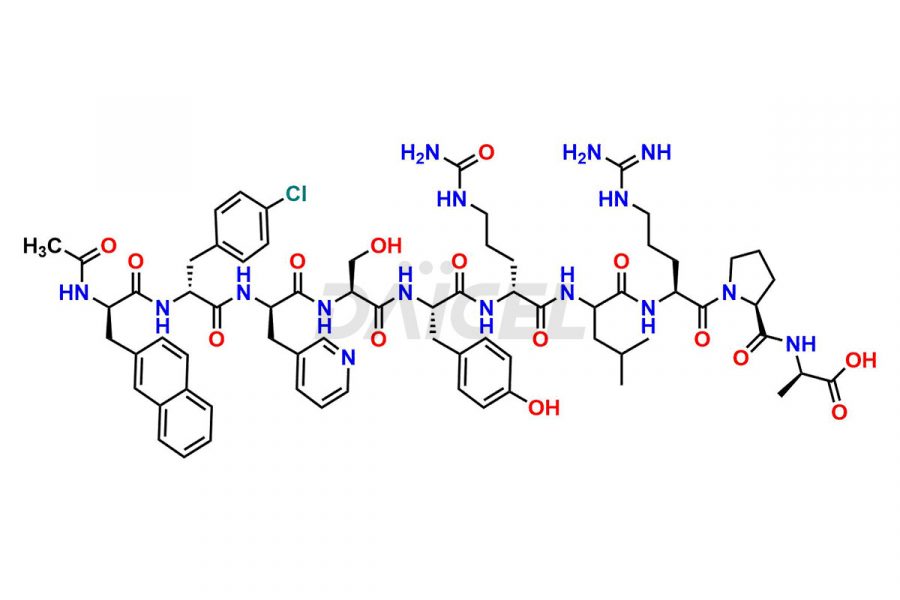
Impurities such as des-acetyl, oxidized, deamidated, and truncated peptides may be present in the manufacturing process of Cetrorelix1. It is important to control and monitor impurities in the Cetrorelix manufacturing process to ensure the quality of the final product.
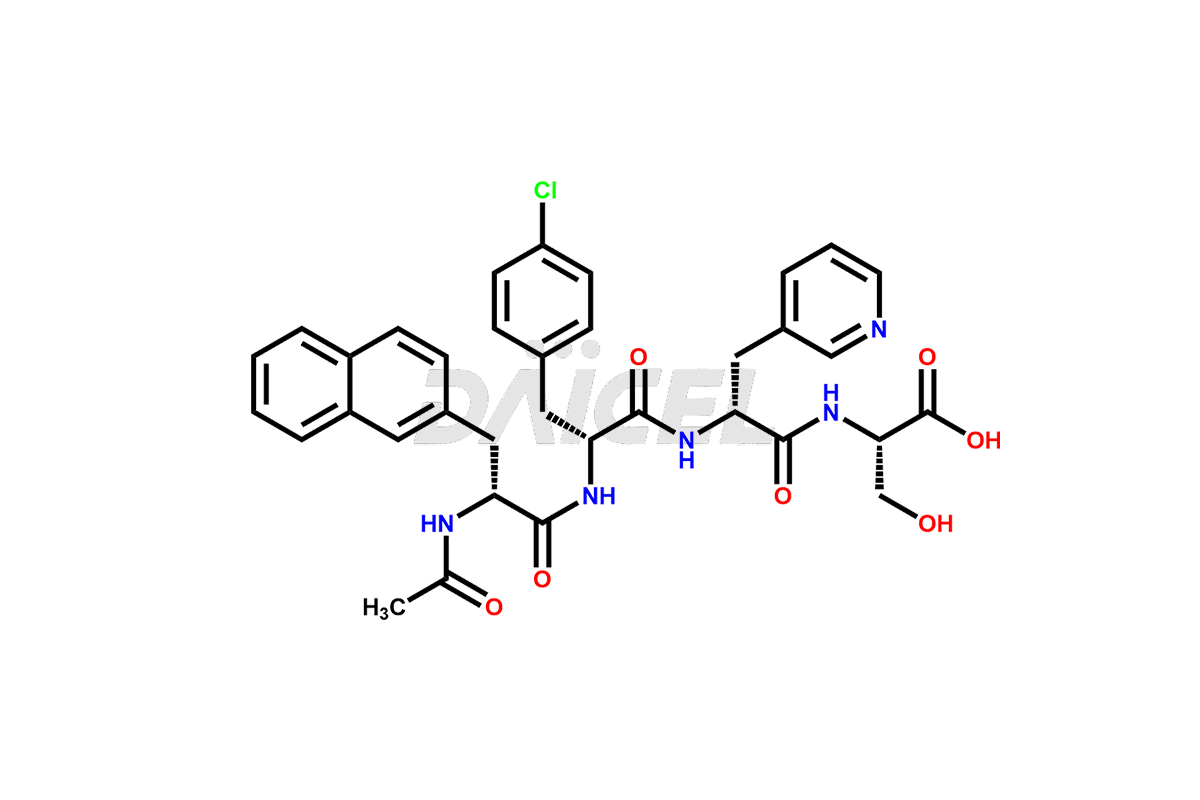
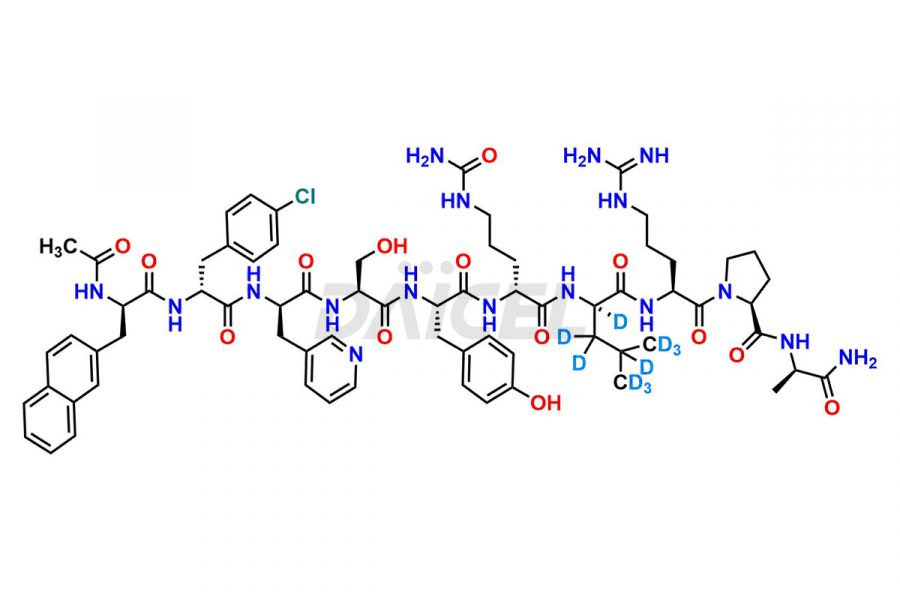
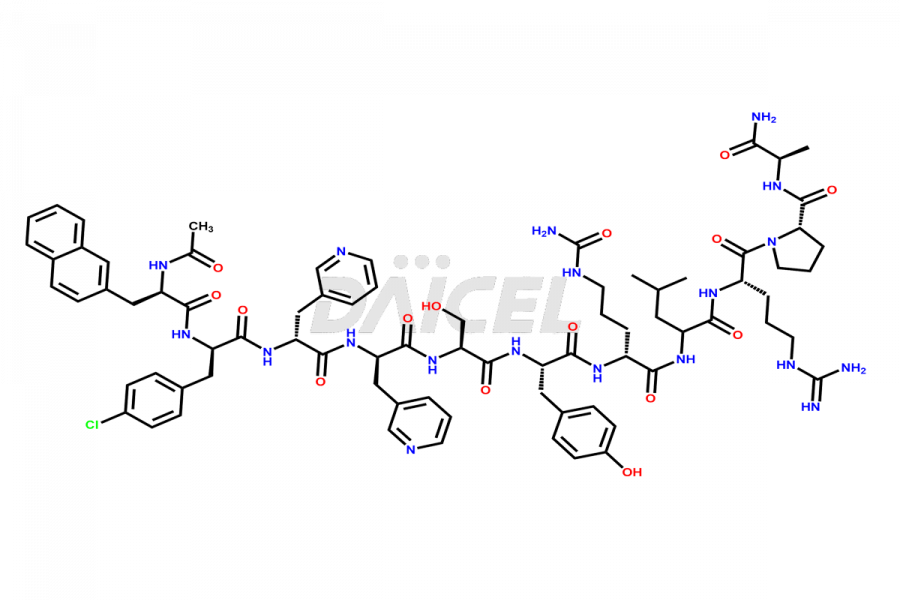
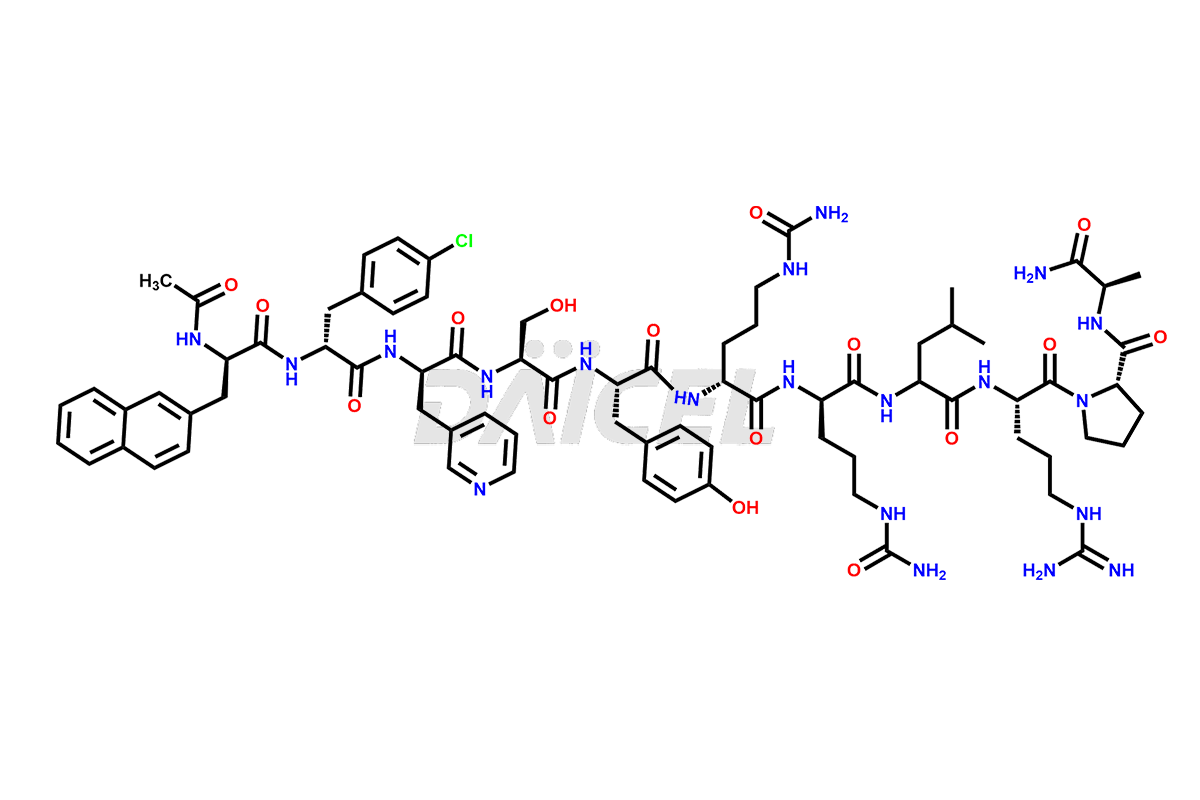
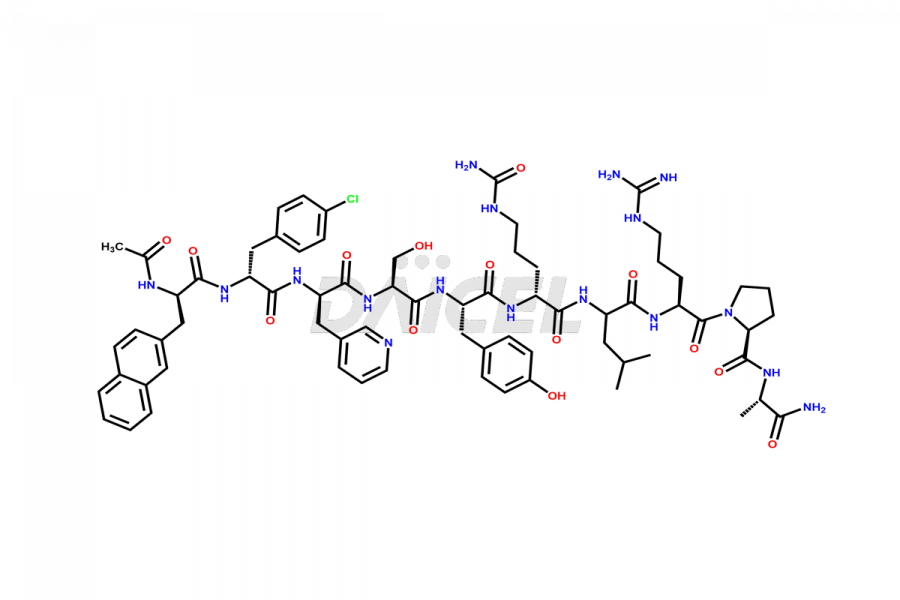
At Daicel, we offer Cetrorelix impurity standards such as Cetrorelix Dimer, Des-Acetyl-Cetrorelix, Des-Amido-Cetrorelix, Des-D-Ala-Cetrorelix, Endo-3-D-Pal-Cetrorelix, and L-Ala(10)-Cetrorelix. We also offer Cetrorelix-d10, which is a deuterium labeled Cetrorelix standard used in bio-analytical research such as BA/BE studies with isotope data in CoA. Further, we have the technology and expertise to prepare any unknown Cetrorelix impurity or degradation product.
We provide a Certificate of Analysis (CoA) from a cGMP-compliant analytical facility for all Cetrorelix impurities with complete characterization data like 1H NMR, 13C NMR, IR, MASS, and HPLC purity. We provide 13C-DEPT and CHN on request. Also, we provide a complete characterization report upon delivery.